East Palo Alto Home Additions for Second Story Additions
Reinvent Your Home: Creative Ideas for Stunning Home Additions
Upgrading a home through thoughtful additions can meaningfully elevate both its utility and curb appeal. From light-filled sunrooms that embrace the outdoors to large decks designed for hosting guests, the possibilities are diverse. Expanding key areas, like kitchens, fosters connection, while a dedicated garage can eliminate storage problems. Recognizing fundamental design components and thoughtful preparation is essential. Yet, what really drives homeowners to adopt these transformations? The answer resides in the life-changing potential of professionally crafted home additions.
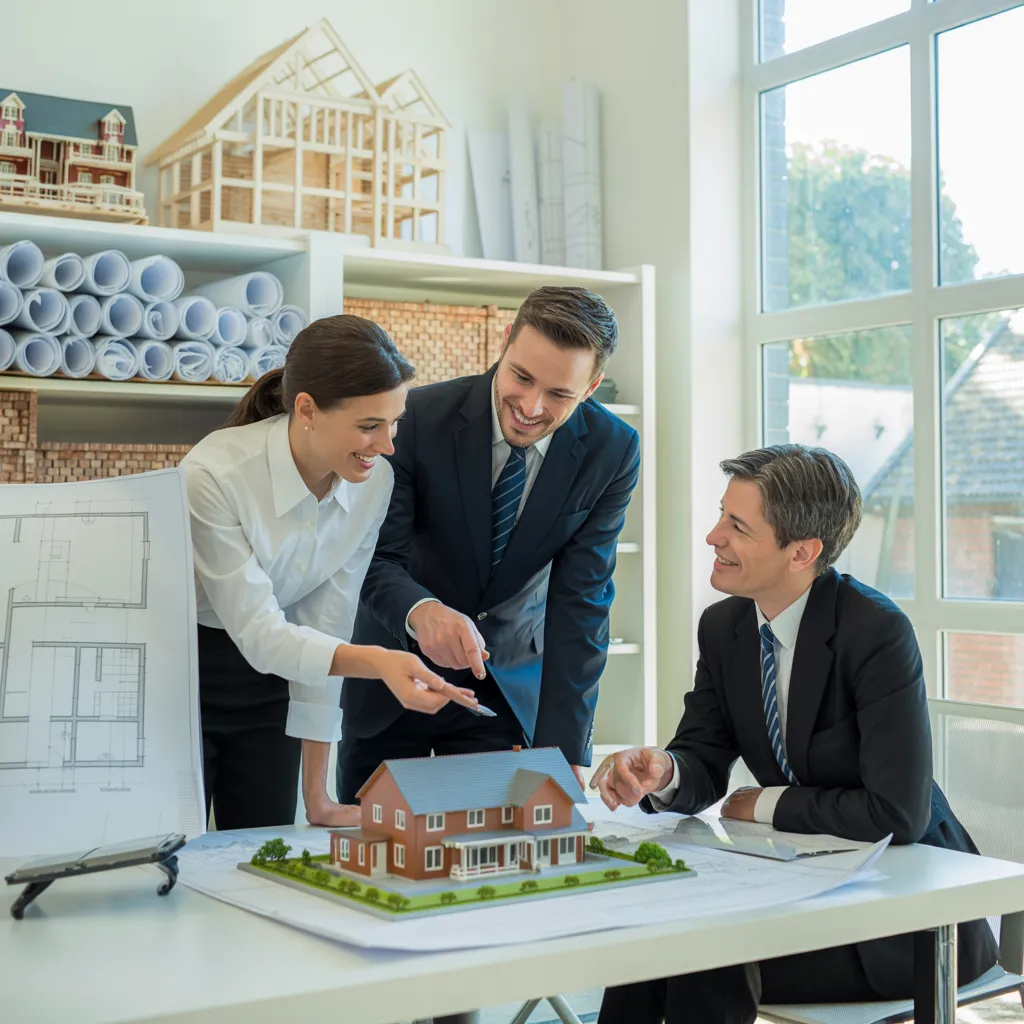
Uncover Leading Home Addition Ideas to Upgrade Your Space
Homeowners often seek innovative ways to enhance their living environments, and discovering trending home addition concepts can provide remarkable improvements. One widely favored option is the addition of a sunroom, which allows sunlight to flow inside while forming a tranquil area for rest. An equally attractive option is a deck or patio, extending the living area outdoors and perfect for entertaining.
Homeowners might also think about broadening their kitchen areas, creating a more useful and appealing environment. A garage addition not only provides additional storage space but can also serve as a workshop or hobby space.
For homeowners requiring extra sleeping spaces, expanding the bedroom space can deliver the privacy and comfort needed. Finally, converting attics or basements into livable spaces presents an opportunity for creative design while maximizing existing square footage. Each of these ideas has the potential to enhance both functionality and aesthetic appeal, ultimately transforming a home into a more enjoyable environment.
Ways Home Additions Can Improve Your Lifestyle?
Home additions can considerably expand living space, offering families the opportunity to grow and adapt. Moreover, enlarging a home can contribute to higher property value, making it a wise financial investment. In addition, these additions often foster deeper family connections by creating shared areas for activities and gatherings.
Improve Living Space
Expanding a living space through home additions can markedly enhance one's daily life by providing greater comfort and functionality. For households, additional rooms can address expanding needs, such as a playroom for children or a dedicated home office. A thoughtfully designed addition can create a seamless flow between outdoor and indoor spaces, encouraging leisure and connection. Furthermore, incorporating elements like expansive windows or open layouts cultivates a feeling of openness and harmony with nature. Upgraded home spaces also allow for customized design decisions, reflecting personal tastes and preferences. Ultimately, home additions not only optimize existing areas but also create environments that promote well-being and improve daily living experiences.
Boost Property Value
Investing in home additions can significantly increase a property's market value, making it an intelligent financial move. By enlarging the home's footprint or introducing useful living zones, property owners can draw in prospective buyers and increase resale prices. Elements including additional bedrooms, updated kitchens, or flexible living spaces frequently generate impressive investment returns. Additionally, enhancements like sunrooms or decks not only improve aesthetics but also appeal to lifestyle desires, further boosting desirability. A carefully designed expansion can transform a home into a more valuable asset, responding to today's market conditions and buyer interests. Ultimately, strategic home additions offer an intelligent method of maximizing property value while enhancing the overall living experience for current occupants.
Build Family Relationships
A skillfully planned addition can greatly enhance family relationships by establishing spaces that promote interaction and closeness. Open-concept floor plans, such as family rooms or spacious kitchens, act as hubs for collective activities, fostering communication and bonding. Dedicated areas for hobbies or playrooms provide children a place to engage, while adults can benefit from nearby social spaces. Moreover, including outdoor living spaces, like patios or decks, permits families to congregate in a comfortable environment. These additions not only promote everyday interactions but also establish a backdrop for lasting gatherings and celebrations. Ultimately, carefully considered home additions transform living environments into enriching spaces that strengthen family ties, enhancing overall quality of life.
Important Design Elements to Elevate Your Home Addition
When homeowners consider a home addition, integrating essential design elements can greatly boost both appearance and usability. Essential features encompass natural light, which can be accomplished using large windows or skylights, creating a bright and inviting space. Additionally, an open floor plan fosters effortless movement between existing and new areas, creating a feeling of cohesion.
Incorporating harmonious materials and color schemes assures the addition complements the existing framework, preserving design consistency. Thoughtful positioning of furniture and installations enhances utility, making the space practical for everyday life. Connections to outdoor spaces, such as a patio or deck, can extend living areas and encourage outdoor enjoyment. Ultimately, energy-saving design solutions, featuring adequate insulation and green materials, provide lasting financial benefits and environmental accountability. By focusing on these essential design elements, residents can craft a harmonious and stunning addition that enriches their home life.
Plan Your Home Addition Project Effectively
Careful planning is critical for a well-executed home addition project. Property owners should commence by defining their goals, whether it's generating additional living space, boosting practical use, or increasing property value. Creating a solid vision helps guide the design and construction process. Furthermore, reviewing regional zoning ordinances and construction codes is essential to guarantee compliance and avoid potential setbacks.
Establishing a plan that defines each step of the process aids in maintaining direction and accountability. Property owners may also want to consider consulting professionals, for example architects or contractors, for professional insight and to optimize the project.
In addition, prioritizing team member communication promotes cooperation and tackles problems as they emerge. Finally, considering long-term needs can support the development of an addition built to serve evolving needs. Through implementing these strategies, homeowners gain the tools needed to handle their home addition projects more effectively and decisively.
Financial Planning for Your Home Addition: Must-Know Tips
Budgeting for a home addition requires careful consideration and planning to avoid unexpected expenses. Homeowners ought to start by establishing a practical budget that encompasses every element of the project, including permits, materials, labor, and unforeseen expenses. It is wise to reserve a further 10-20% of the entire budget for unexpected circumstances.
Gathering and evaluating quotes from multiple contractors can offer useful information and assist in reaching well-informed choices. Furthermore, homeowners ought to distinguish between their needs and desires, ensuring that essential features are included while remaining within budget.
Developing a thorough timeline can assist in aligning expenses with development milestones, check here minimizing monetary pressure. Additionally, working with a financial professional or a building expert can provide further clarity on potential costs and financing options, making certain that the budget remains manageable throughout the home expansion project. This calculated method facilitates a prosperous and fiscally responsible property enlargement.
Real-Life Home Addition Transformations to Inspire You
Inspiring property addition transformations reveal the extraordinary capacity of home interiors. A perfect illustration is a modest single-story home that experienced a significant upgrade with a sleek, modern annex. By including a spacious kitchen and dining area, the owners enriched their kitchen functionality while developing a cozy social space for family members and visitors.
A remarkable transformation highlights a compact dwelling that expanded vertically with a appealing loft, maximizing space while introducing a cozy reading nook. This ingenious approach not only added functionality but also gave the residence a distinctive charm.
In the end, a suburban ranch-style house embraced a current look with a glass-walled sunroom, bathing the interior in warm natural light and delivering magnificent vistas of the back garden.
These actual transformations demonstrate the wide range of possibilities for home improvements, encouraging homeowners to imagine their own distinctive upgrades and reimagine their home surroundings.
Commonly Asked Questions
What Permits Do I Need for a Home Addition Project?
When undertaking a home addition project, one typically needs the appropriate building permit, zoning clearance, and potentially permits for electrical or plumbing work. Local regulations vary, so checking with your municipal office is strongly recommended to guarantee compliance with all requirements.
How Long Does It Usually Take to Finish a Home Addition?
A standard home addition usually takes anywhere from two to six months to complete, based on factors including complexity, size, weather conditions, and permits. Proper planning and contractor efficiency can influence the timeline considerably.
Can I Continue Living in My Home Throughout the Addition Process?
Absolutely, homeowners can often reside in their homes during the addition process. However, aspects like the scale of the project, construction location, and noise levels may affect accessibility and comfort, calling for temporary arrangements or modifications during the building process.
What Common Mistakes Should You Avoid When Planning an Addition
Common mistakes to avoid when planning an addition encompass failing to accurately estimate expenses, ignoring necessary building permits, failing to address structural concerns, neglecting to evaluate future demands, and overlooking the importance of professional advice. Diligent preparation leads to more efficient execution and improved results.
How Do I Choose the Right Contractor for My Project?
To choose the best specialist, you should research qualifications, check references, and ensure effective communication. Comparing multiple bids and evaluating previous work can aid in establishing dependability and suitability for the particular home addition project.